

Editors’ picks
View all ▸
From the archive
2020–2026Write for Poise
Become a contributor
The desk reads every pitch. Essays, reported pieces and Encyclopedia entries.
Politics
See more ▸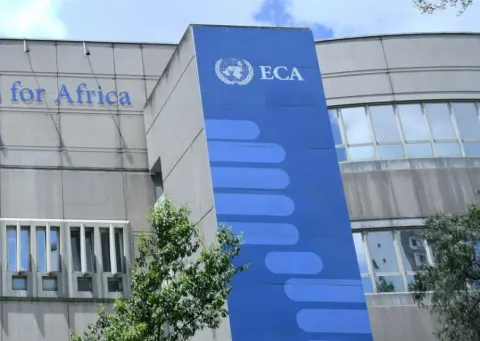
The United States Withdraws From International Institutions: Implications for African Governance and Development
8 January 2026Business
See more ▸
The Price of Invisible Work: On Valuing Creative Services in Cameroon
18 December 2024
Arts & Entertainment
See more ▸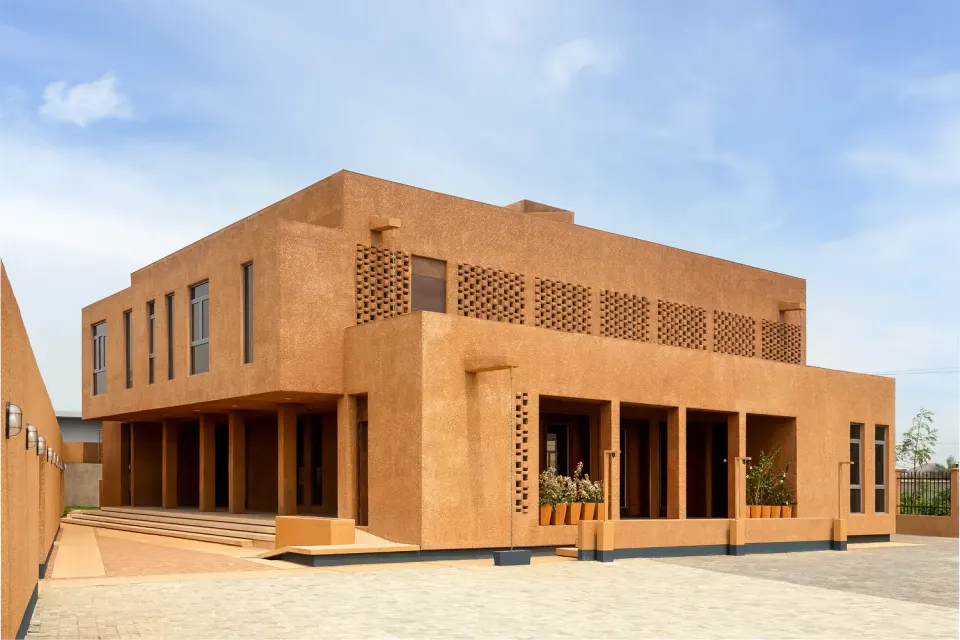
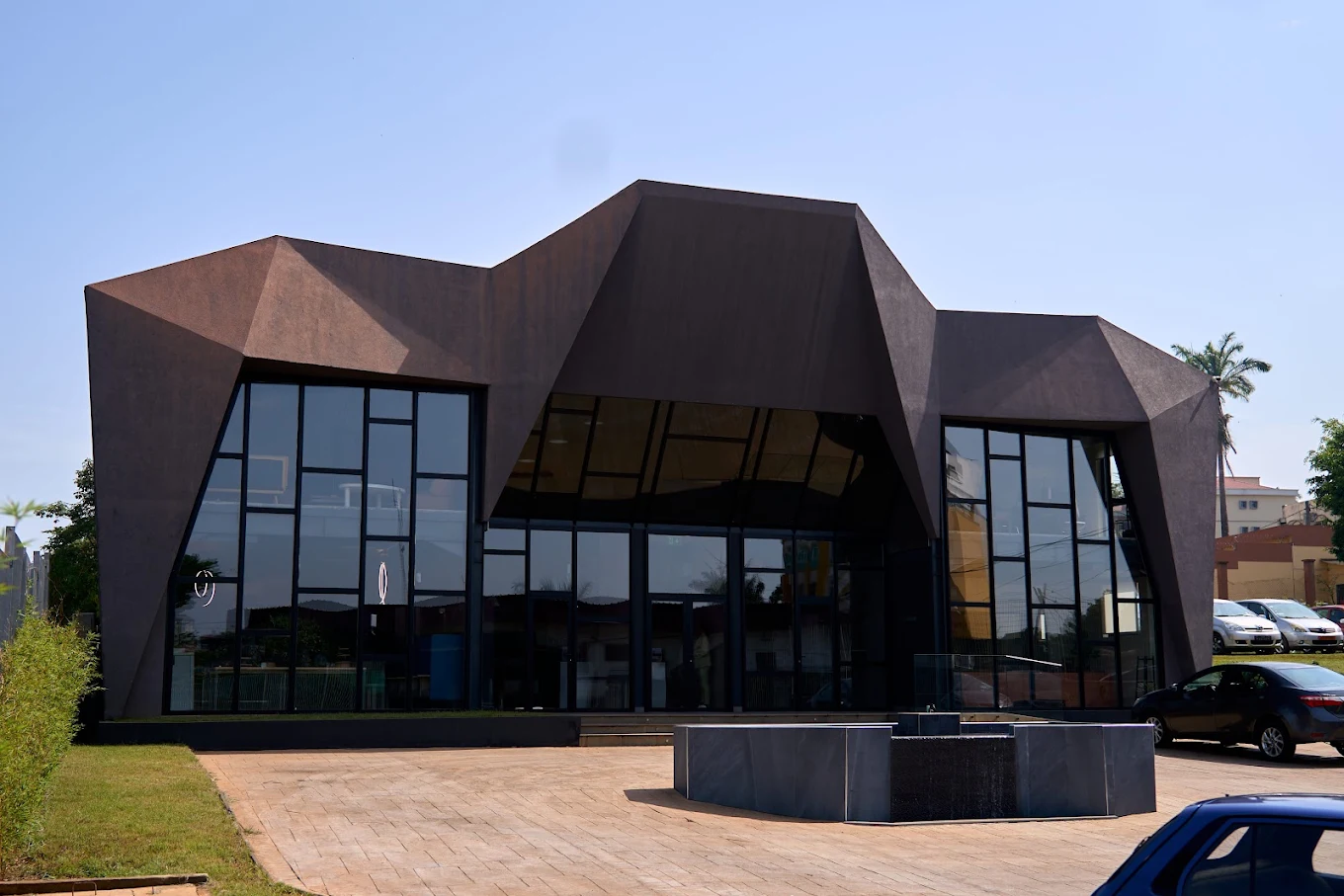
On the Character of African Architecture
The writer reflects on a troubling shift in Yaounde's urban landscape: newer buildings lack the cultural distinctiveness and durability of older structures, while a proliferation of glass towers—elegant at first but quickly weathered—suggests a loss of architectural wisdom. The piece pairs this observation with profiles of contemporary African architects who are recovering that wisdom through sustainable and culturally grounded design.
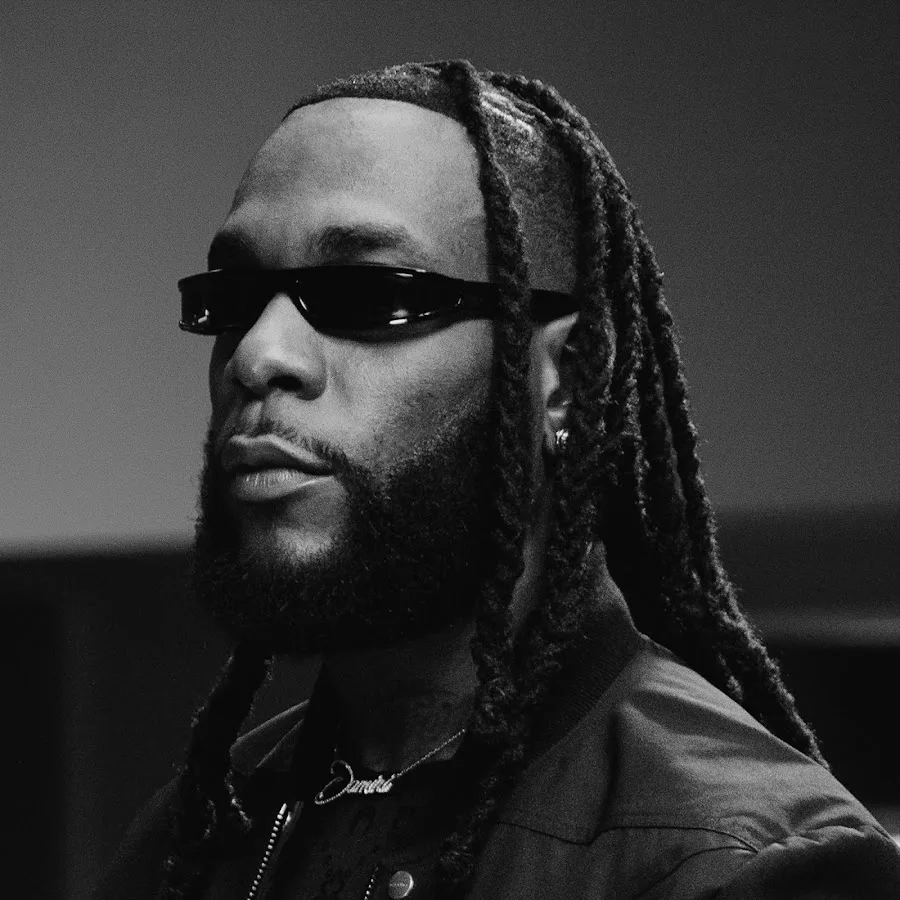
On Depth, Authenticity, and the Artist's Right to Critique
Following Burna Boy's public criticism of Afrobeats as lacking substance, this piece defends the artist's right to hold the culture accountable while examining what he actually meant: a call for more personal storytelling and philosophical coherence among African musicians, rather than generic feel-good escapism.

The Polymath's Path: On Creativity Across Boundaries
A reflection on the career of a contemporary polymath designer who moved from streetwear and screen printing to the highest levels of fashion, exploring how formal credentials need not constrain ambition and how creative people navigate the skepticism they face.
Society & Culture
See more ▸
Protection and the Postponement of Growth
A reflection on how well-intentioned parental protection can inadvertently delay the development of essential life skills—communication, assertiveness, emotional awareness—by replacing trial and error with restriction. The writer traces how this safety-first approach creates compliance rather than confidence, and traces her own journey toward reclaiming agency in adulthood.

On Support and What We Mistake for It
The piece examines the recurring complaint that Cameroonians do not support each other, particularly in creative industries, by sorting the complaint into three groups and arguing that the real problem is a mutual misunderstanding of what support actually means. It contends that support requires both generous reception of early effort and realistic self-assessment from creators, and that much of the perceived lack of support stems from looking for validation in the wrong places.
Bilingualism as Mirror: A Reflection on National Character
The writer challenges Cameroonians' tendency to blame bilingualism for social discord, arguing instead that resistance to language learning reveals personal laziness and entitlement rather than any inherent flaw in the policy itself. Bilingualism, the piece contends, is not a burden imposed but an opportunity for individual and collective growth that remains largely squandered.
Opinion
See more ▸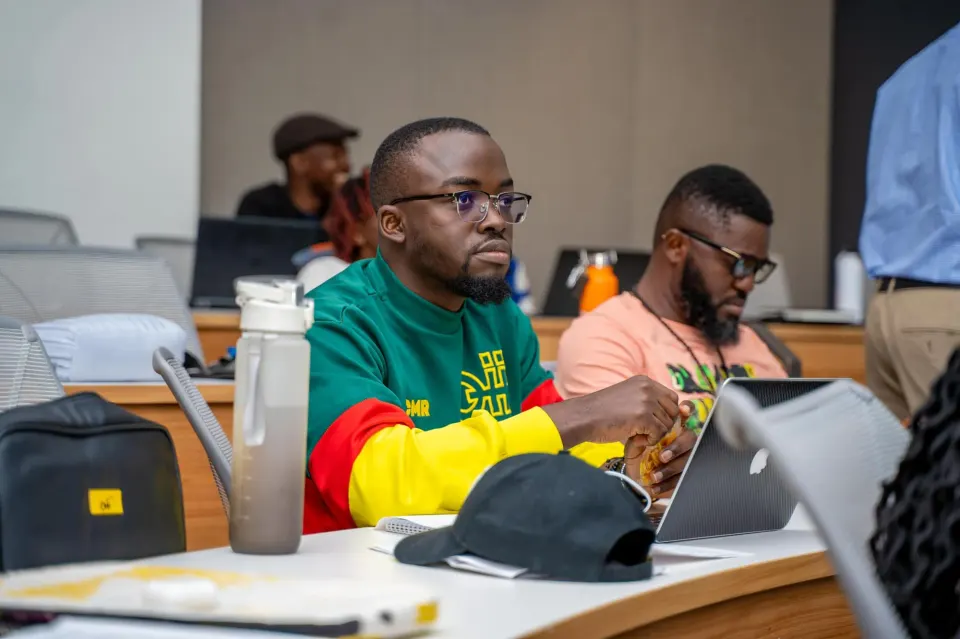
The Certificate Trap: Why Digital Marketing Workshops Rarely Deliver What They Promise
A critique of the booming digital marketing course industry in Cameroon, arguing that certificates from unaccredited academies create a false sense of competence and employability. The writer contends that digital marketing is a reputation-driven skill built through sustained practice, not workshop attendance, and that the real work—content creation—begins only after graduation.
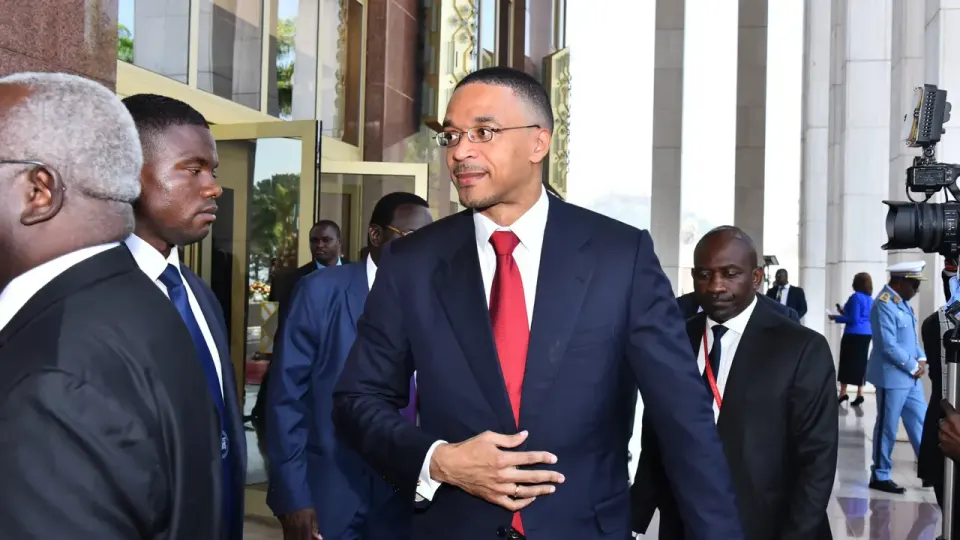
The Politics of the Picture: Celebrity, Complicity, and Cameroon's Defeated Imagination
The writer argues that high-profile Cameroonians—particularly those with global platforms—cannot escape political responsibility through silence or selective visibility. A photograph with state figures is itself a political act, and the absence of critical distance amounts to a form of consent that reinforces the regime's legitimacy.

On Cameroon's Entertainment Ambitions and Economic Realities
The writer argues that Cameroon's aspiration to become a music exporter is misaligned with its actual comparative advantage, and that the nation's true export has always been talent and human capital rather than cultural products. Drawing on examples from Germany, the US, Bollywood, and Nigeria, the piece traces how specific economic and infrastructural conditions enable entertainment industries to thrive globally—conditions Cameroon largely lacks.
Sign up for the poise career bootcamp
Ten minutes, and the next year of Poise
What you read, what you skip, what is missing. The desk reads every answer.
More reading
The full archive ▸
When Creator Reach Becomes Infrastructure: The Khaby Lame Deal and What It Signals for Cameroon

When Speed and Silence Collide: FECAFOOT's Challenge to CAF Procedure
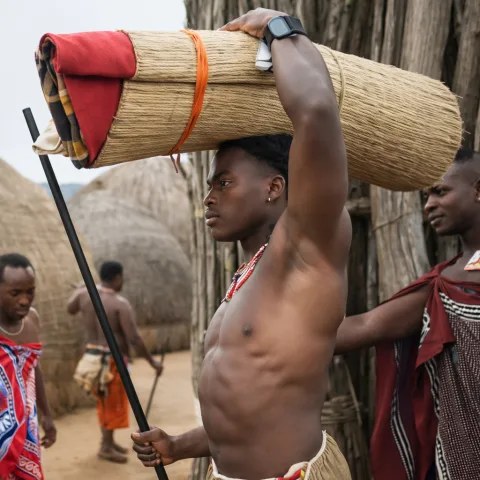
The Moment We Missed: Cameroon's Tourism Paradox in the Age of Viral Attention
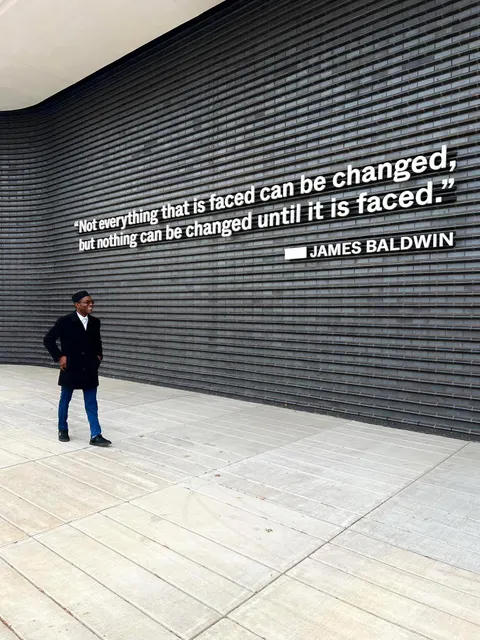
The Courage to Pause: On Standards, Noise, and the Future of Digital Media in Cameroon

The Burden of Borrowed Faith: Religion and Development in Africa

The Gray Area: Influencers and the Rot of Attention in Cameroon

The Architecture of Cameroon's Judicial System