Home · Topic

Branding

Business

23

Essays · 2017–2026

essay · 5 min

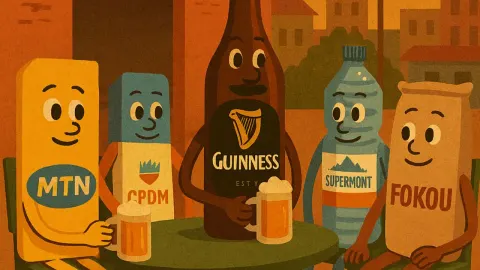
The Cameroon Brand Pantheon: A 2023 Snapshot and Call for Update

Poise's curated ranking of Cameroon's twenty most culturally resonant brands—from Total and MTN to Hysacam and Afriland—captures how brands function as social mirrors, embodying national character, aspiration, frustration, and resilience. The piece invites readers to nominate contenders for a 2025 refresh, treating brand ecology as a living archive of collective values.

Staff · 10 January 2026

essay · 11 min

The Structure and Logic of Record Labels in Cameroon

The writer examines the distinction between major and independent record labels, explaining how multinational majors like UMG, Sony, and Warner differ fundamentally from the independent labels that dominate Cameroon's music industry. Through this framework, the piece diagnoses endemic tensions between Cameroonian labels and artists—poor contract literacy, inadequate planning, and opaque financial management.

Norbert Foy · 4 January 2024

essay · 4 min

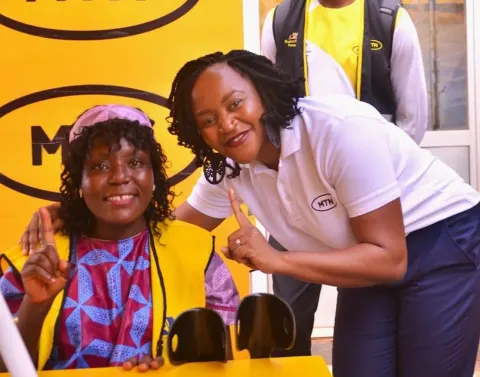
When Good Intentions Backfire: MTN's Data Campaign and the Cost of Hastily Executed Policy

The writer examines MTN Cameroon's customer compensation campaign—offering free data and credit to address network service failures—and shows how the initiative fell short despite good intentions. The failure stemmed not from the gesture itself but from inadequate planning: all customers received gifts simultaneously, creating network congestion; unequal distribution (data versus credit) created perceptions of unfairness; and no staggered approach or clear communication existed to manage expectations.

Norbert Foy · 28 November 2023

essay · 4 min

The Twenty Brands That Shape Cameroon: A Social Reading

This essay catalogues twenty major Cameroonian brands—from Total and MTN to Guinness, Hysacam, and Afriland—as mirrors of national character, economic anxiety, and resilience. Each brand carries not just commercial weight but cultural meaning: the way Cameroonians relate to authority, aspiration, everyday hardship, and quiet entrepreneurial pride.

Staff · 6 June 2023

essay · 7 min

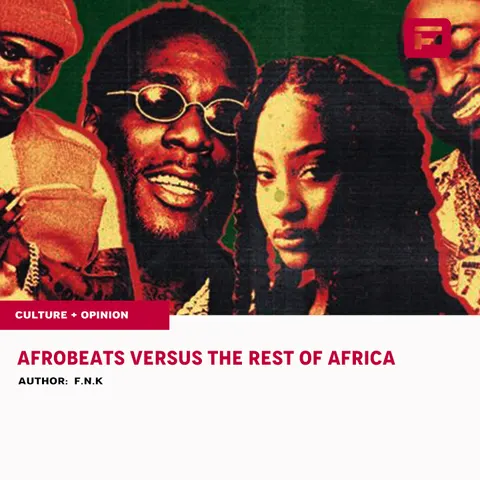
Afrobeats Versus the Rest of Africa: A Question of Branding, Not Quotas

While Afrobeats has become a global phenomenon lifting Nigerian artists to unprecedented heights, the success has cast a shadow over music industries across Africa. The writer argues that legislative efforts to increase local content quotas—whether in Kenya or Cameroon—misdiagnose the problem, which is not access but brand-building and the cultivation of cultural cool.

Norbert Foy · 4 November 2022

essay · 6 min

The Arithmetic of Trust: On Auntie Felicia and the Economics of Influence

A marketer examines the rapid ascent of a major Cameroonian comedy influencer and the pitfall of accepting too many brand deals at once. The piece argues that oversaturation threatens the trust relationship that makes influencers valuable in the first place, and proposes a more deliberate content strategy.

Norbert Foy · 6 July 2022

essay · 1 min

Brand Ambassador Deals in Cameroon: The Adidas Paradigm and Modern Influence

This piece traces the origins of brand ambassador strategy through Run-DMC's iconic partnership with Adidas in the 1980s, then applies that historical model to understanding contemporary endorsement deals in Cameroon. The writer argues that authentic lifestyle alignment—not just paid promotion—creates market movement and cultural legitimacy.

Wandji Wilfred · 12 April 2022

essay · 4 min

When Brands Become Words: Genericization and Market Power in Cameroon

The writer examines genericization—the process by which brand names become generic terms for product categories—through the lens of Cameroon's bottled water market, particularly the rise of Supermont at the expense of the once-dominant Tangui. The piece argues that while brand genericization can signal market strength, it also carries legal and competitive risks that savvy companies must carefully manage.

Staff · 9 September 2021

essay · 5 min

Knowledge As Currency: Building Authority Through Answering Questions

The writer argues that professionals across Cameroon—lawyers, accountants, designers, mechanics, and vendors—can build lasting brand authority and generate income by producing content that answers their customers' real, everyday questions rather than simply promoting products or services. This shift from direct sales to indirect monetization through expertise creates trust, positions them as authorities, and opens multiple revenue streams.

Ngwashi Christabel · 30 November 2020

Opinion · 5 min

The Brand Ambassador Bubble in Cameroon

This essay critiques the hollowing-out of 'brand ambassador' as a concept in Cameroon's creative industries, where the term has become a social-media-amplified status marker divorced from strategic partnership, genuine consumer correlation, or mutual value exchange. The writer traces how bloggers, music industry figures, and young aspirants have glamorized brand deals without understanding or communicating their actual nature.

Wandji Wilfred · 9 September 2020

Opinion · 4 min

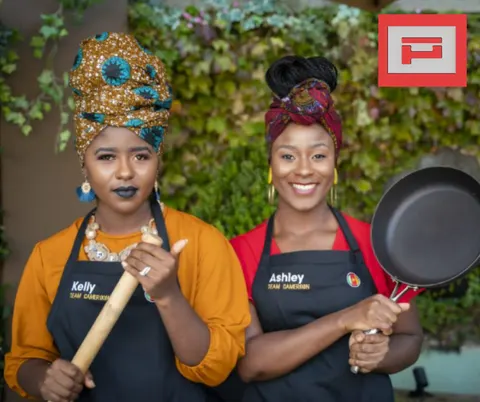
Cameroon's Culinary Moment: The Wasted Chance at Nation Branding

When two Cameroonian sisters won a round on an international cooking competition show, it exposed a broader truth: Cameroonians have long known their cuisine is exceptional and have defended it loudly, yet the state has failed to marshal this asset into coherent nation branding or tourism strategy. The post argues that what should be a flagship competitive advantage—the country's varied, celebrated food culture—remains orphaned from any serious government vision.

Wandji Wilfred · 3 September 2020

essay · 5 min

The Brand Name Question: On Oluwa, Representation, and African Pride

A Poise contributor examines the controversy around a fashion brand's use of 'Oluwa,' a Yoruba word for God, owned by co-founder Tino Foy. The piece moves from personal distaste for the name to a deeper meditation on why Africans bristle at Nigerian cultural dominance, the power of brand storytelling, and the colonial distortion of African versus European religious narratives.

Wandji Wilfred · 13 July 2020

Showing 1–12 of 23